Foundations
Earlier work, mostly from my years as the first full-time designer at a reconstructive medicine institute, where I designed with surgeons and patients. With very little margin for error, I learned to think in systems.
-
Medical modelling
As the first full-time designer at a reconstructive medicine institute, I supported hundreds of patient cases across surgical planning, physical modelling and training, partnering closely with surgeons. Co-authored a textbook chapter on digital technologies in maxillofacial rehabilitation, and published research on 3D modelling and surgical simulation.
-
Digital cranioplasty workflow
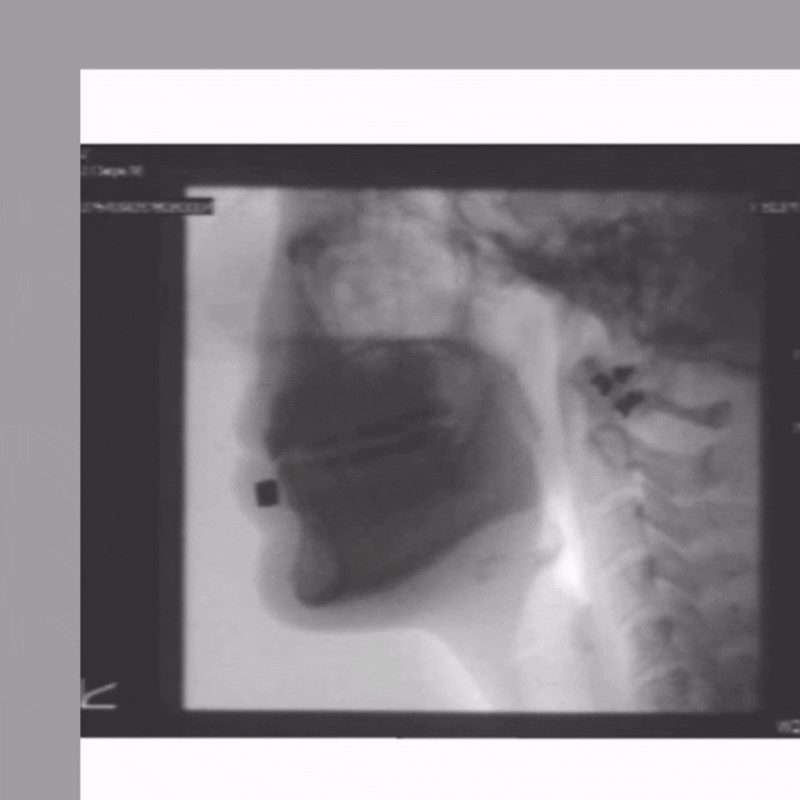
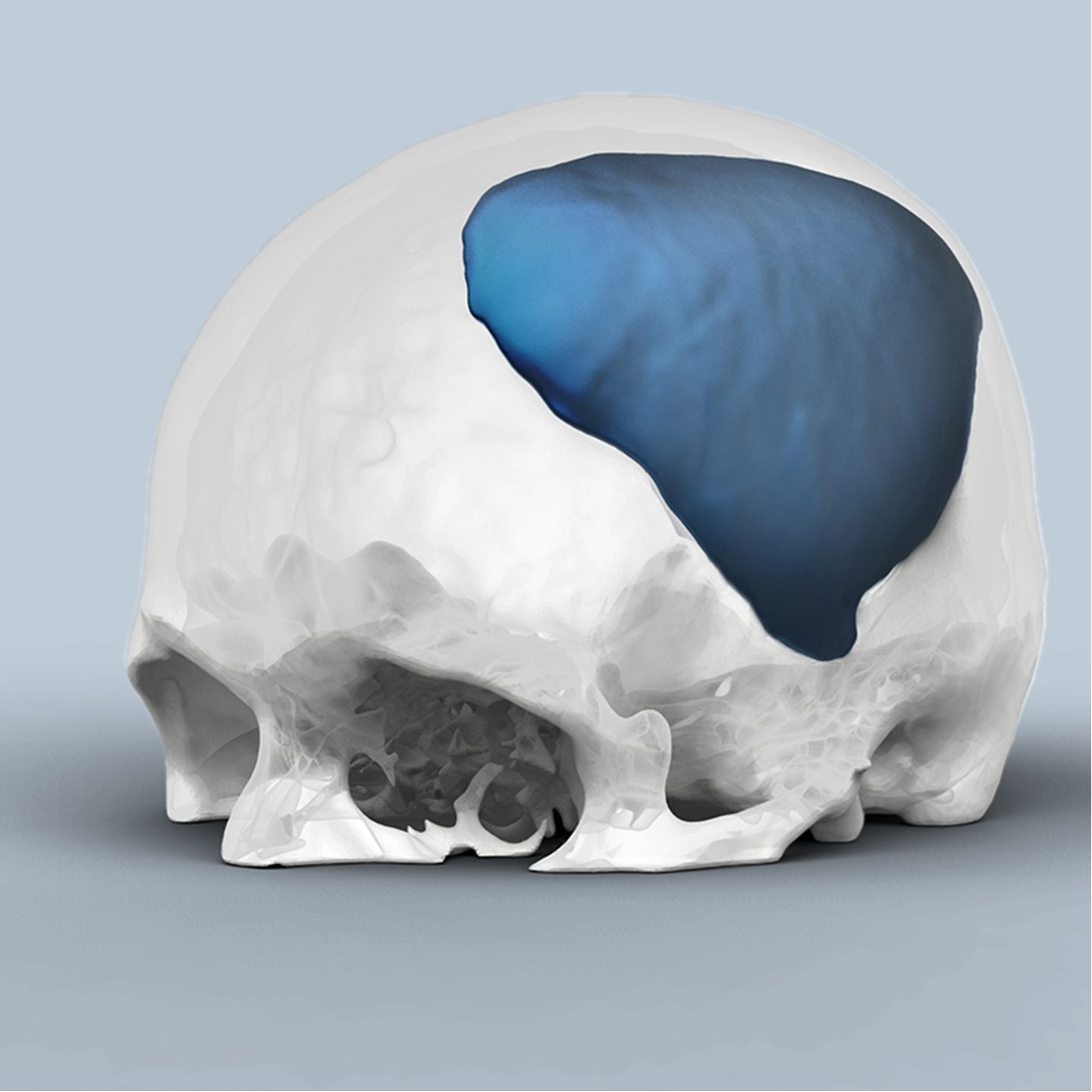
Custom skull implants used to require a separate surgery just to take an impression of the defect. We built a digital workflow from CT data to a 3D-modelled, 3D-printed casting pattern, removing that surgery, reducing risk and speeding up treatment. It became a recurring workshop for surgeons and residents.
-
Surgical simulation
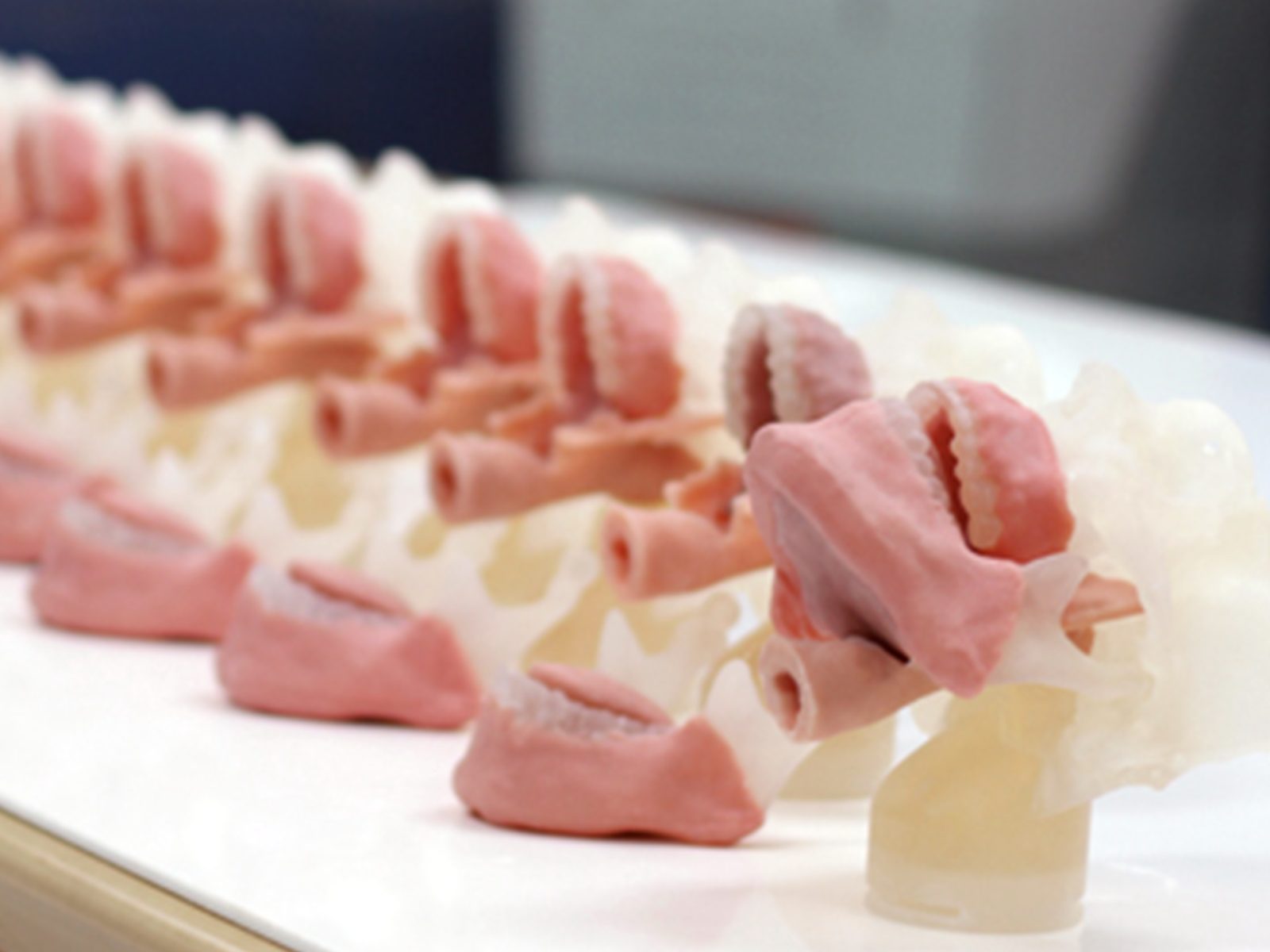
Realistic physical models for training complex head and neck reconstruction, developed with Andrew Grosvenor and surgeons Dr. Hadi Seikaly and Dr. Jeffrey Harris. Participants remove a mock tumour, rebuild the tongue and jaw with a fibula graft, and plate the structure as they would in surgery.
-
Facial reconstruction
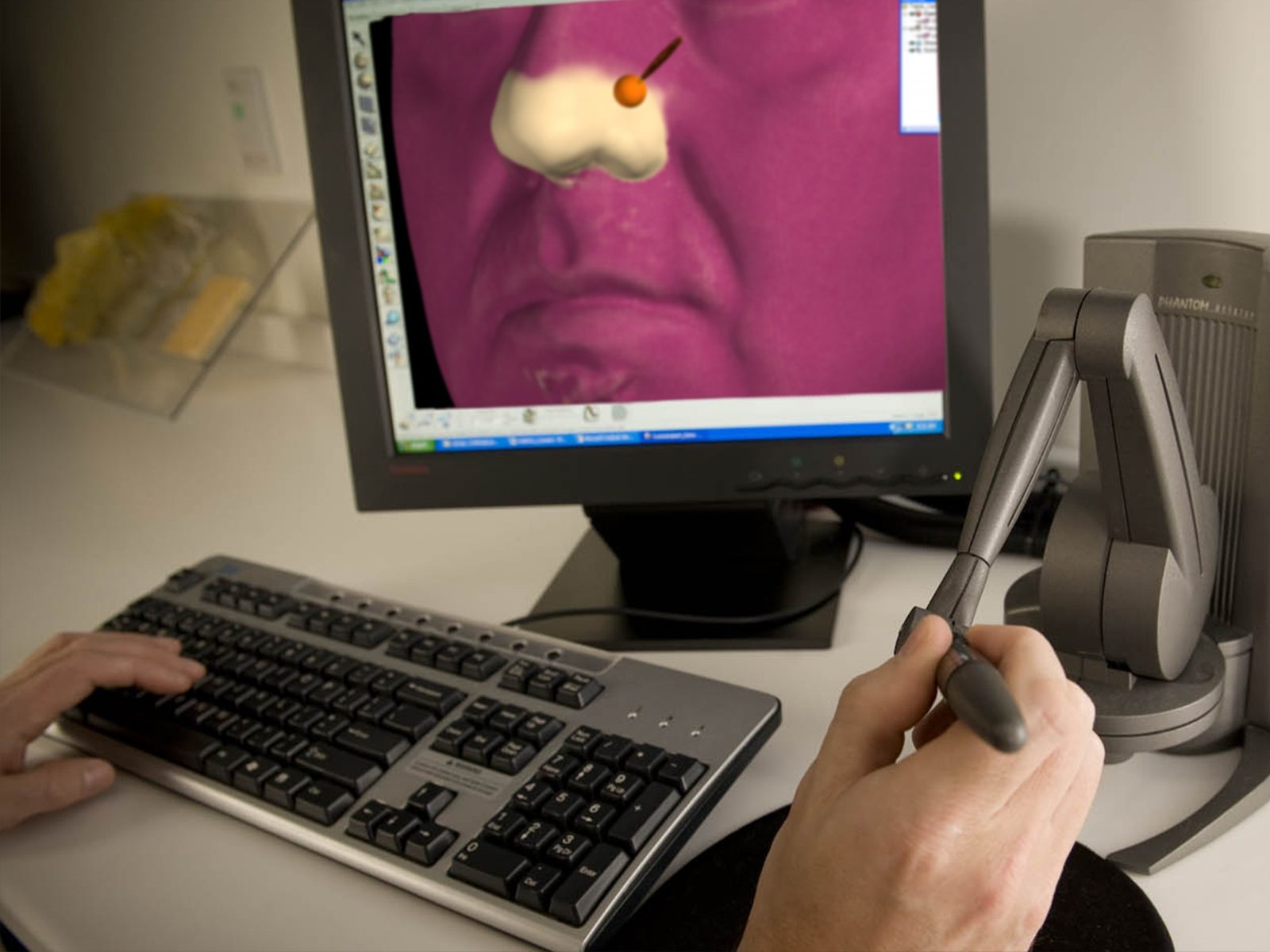
For a patient who had lost his nose, we rebuilt a digital reference from pre-injury photos, sculpted a target outcome in 3D, and printed it to guide conversations with the patient and planning with the surgeon, replacing estimation with precision.